





Best Frame Material for You: A First Time Buyer’s Guide

Reviewed by
Neggie Saadatpay-Wright
Overview
Need | Best material |
|---|---|
Budget-friendly | Plastic |
Bold style, strong prescription | Acetate |
Lightweight, minimalist | Metal |
Sensitive skin / durability | Titanium |
Eco-conscious | Bio-acetate |
Sports / active lifestyle | Nylon or Titanium |
Why frame material matters
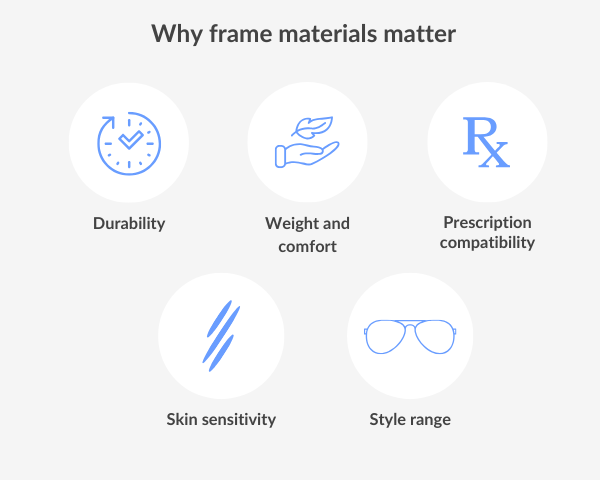
It’s easy to focus on the look of a frame when choosing new glasses and forget that you’ll be wearing it for 10 to 14 hours a day. Frame material determines a lot more than aesthetics.
Weight and comfort. A heavier frame sits harder on your nose and temples over time. Materials like titanium and TR90 are engineered to be as light as possible — they can feel barely noticeable during daily wear. . Others, like thick plastic or wood, carry more weight, which some people love for the feeling of solidity, but others find tiring.
Durability. Frames that flex without snapping, hold their shape in the heat and resist everyday wear can help your glasses maintain their fit and appearance over time. Titanium and nylon-based materials are among the most resilient. Standard plastic can warp with sun exposure.
Skin sensitivity. Some metal alloys contain nickel, which is one of the most common causes of contact dermatitis. If you have sensitive skin or a known metal allergy, hypoallergenic materials like titanium and acetate are the safer choice.
Prescription compatibility. Thicker lenses, typically needed for stronger prescriptions, are better concealed inside deeper, thicker frames. Acetate and plastic do this well. Very slim metal frames can make thick lenses more visible at the edges, which some wearers prefer to avoid.
Style range. Some materials lend themselves to bold shapes and deep colour; others are naturally more minimal. Knowing what’s possible in each material helps you narrow down your options before browsing.
Your frame material options: which one is right for you?
Material | Weight | Durability | Hypoallergenic | Best prescription range | Color / Style Range | Price tier |
|---|---|---|---|---|---|---|
Plastic | Light | Moderate | Yes | Low to high | Very wide | Budget |
Acetate | Light–medium | Good | Yes | Low to high | Very wide | Mid |
Metal | Very light | Good | Check alloy | Low to high | Moderate | Mid |
Titanium | Feather-light | Excellent | Yes | Low to high | Minimal | Premium |
Nylon | Light | Excellent | Yes | Low to high | Moderate | Budget–mid |
TR90 | Feather-light | Good | Yes | Low to moderate | Moderate | Mid |
Wood | Medium–heavy | Moderate | Yes | Low to moderate | Unique | Mid–premium |
Plastic
Plastic frames are one of the most common frame choices thanks to their affordability and wide range of styles. Made from injection-moulded synthetic polymers, they offer the broadest combination of affordability, colour variety and style accessibility.
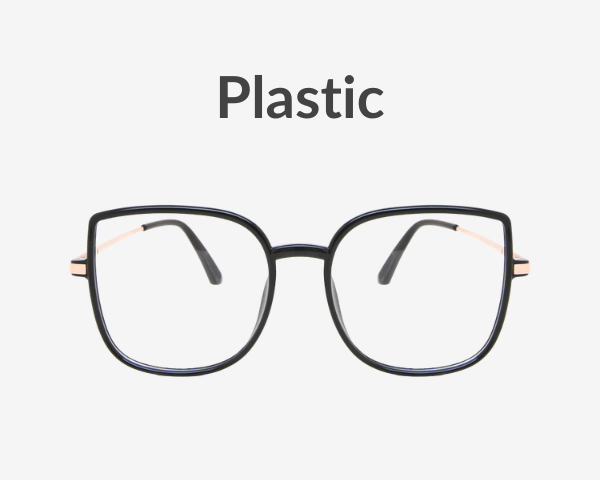
If you’re not sure where to start, plastic is a sensible, versatile first choice.
Popular styles: rectangular, square, pilot, round, oversized
Benefits:
- Most affordable entry point into eyewear
- Wide range of colours, patterns and finishes
- Lightweight and comfortable for most wearers
- Thicker frame profiles help conceal the edges of stronger lenses
- A practical option for trying a new style or keeping as a spare pair
Who it’s best for:
- First-time glasses wearers
- Anyone on a tighter budget
- People with higher prescriptions, as thicker frame fronts can conceal lens edge thickness
Good to know: Standard plastic can soften and warp if left in direct sun or a hot car. Always store your glasses in a protective case when not in use.
Acetate
Acetate is often considered a premium alternative to standard plastic — but it’s more than just a premium version of the same thing. It’s made from cellulose acetate, a plant-derived material that has been used in eyewear since the 1940s.
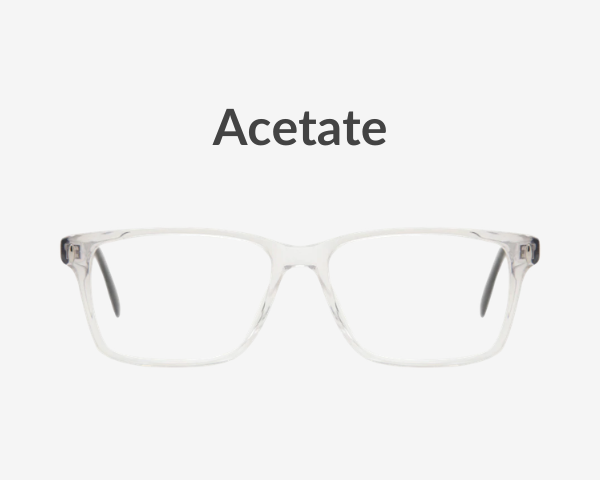
The difference you notice immediately is the colour: acetate develops hue through the material itself rather than a surface coating, giving it a unique depth, richness and translucency.
Popular styles: bold rectangular, oversized, round, cat-eye, chunky square.
Benefits:
- Richer, more vibrant colours with natural depth and patterning (including tortoiseshell)
- Hypoallergenic — plant-based, gentle on sensitive skin
- Generally more durable and easier to adjust than many injection-molded plastics
- Retains its shape and finish longer with everyday wear
- Thicker frame front hides lens edges well, ideal for stronger prescriptions
- Has a substantial feel and distinctive finish
Who it’s best for:
- Wearers looking for bold styles and a wider choice of colours and patterns
- Anyone with a stronger prescription who wants stylish coverage
- Those with sensitive skin who want a plastic look without the metal allergy risk, and anyone investing in a main pair they plan to wear daily for several years.
Good to know: Acetate can lose its shape over time if exposed to prolonged heat. The nose bridge is typically fixed (not adjustable), so fit relies on getting the right frame measurements from the start.
Metal
Metal frames remain a popular choice thanks to their lightweight feel and understated appearance. Typically made from alloys like stainless steel, monel, or aluminium, they offer a slim, low-profile aesthetic that sits subtly on the face.
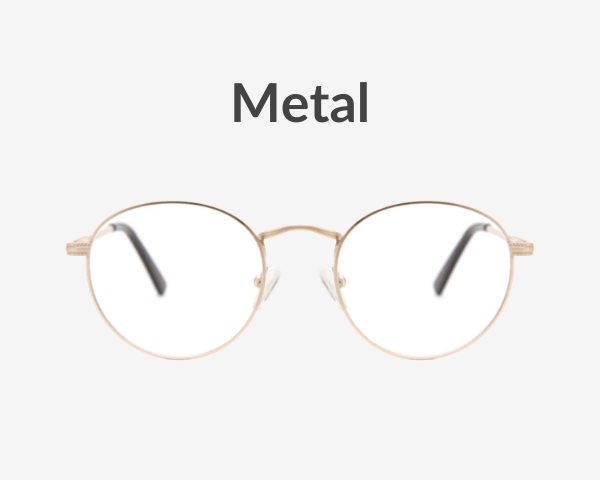
What distinguishes metal from plastic in practical terms is the adjustable nose pad — a small detail that makes a significant difference to fit, especially for flatter nose bridges or narrower faces.
Popular styles: pilot, round, semi-rimless, browline and oval.
Benefits:
- Minimalistic visual presence on the face
- Adjustable nose pads allow a more precise, personalised fit
- Lightweight, with titanium generally offering the lightest metal frame option
- Holds its shape well over time
- Corrosion-resistant materials (stainless steel) handle sweat and moisture better than alloys
Who it’s best for:
- Wearers who prefer a minimalist look
- Anyone who struggles with frame slip or needs adjustable nose pads for a better fit
- Professionals who want glasses that stay discreet.
Good to know: Some metal alloys contain nickel, which can cause skin reactions in people with metal allergies. If you know you’re nickel-sensitive, look for nickel-free metal frames or choose titanium instead.
Titanium
Titanium is a premium frame material valued for its combination of strength, lightness and durability.
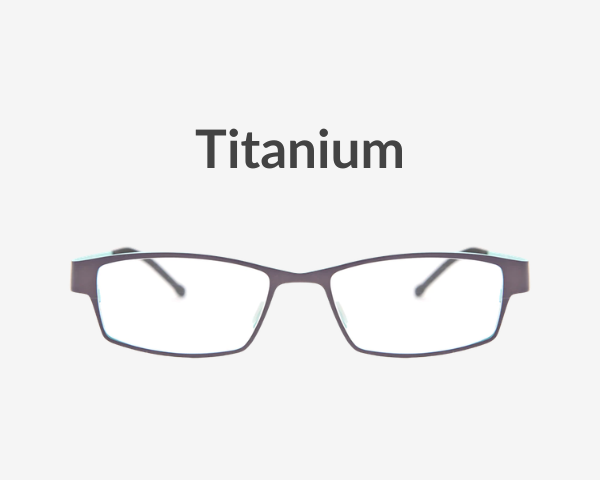
Originally developed for aerospace and surgical applications, titanium is exceptionally strong, feather-light and completely corrosion-resistant. It is also inherently hypoallergenic — titanium is used in medical implants, making it one of the most body-compatible metals available.
Popular styles: slim rectangular, oval, rimless, semi-rimless
Benefits:
- Titanium is among the lightest frame materials available
- Excellent durability. Titanium can flex and spring back without breaking
- Hypoallergenic and fully nickel-free
- Corrosion-resistant. Handles humidity, sweat, and water exposure well
- Low maintenance. Won’t discolour or degrade with regular cleaning
Who it’s best for:
- Anyone with a known metal or nickel allergy
- Wearers who prioritise long-term durability over frequent replacement
- Active people who need frames that stand up to daily movement
- Anyone seeking one of the lightest frame options available
Good to know: Titanium offers fewer bold or patterned design options compared to acetate or plastic — it excels in refined, minimal aesthetics. Titanium frames typically cost more than other materials but are known for their durability and long lifespan.
EXPERT'S TIP!
“If you’re deciding between frame materials, think about how your glasses will feel after a full day of wear—not just how they look in the mirror. Lightweight materials like titanium and TR90 can make a noticeable difference in all-day comfort, especially for full-time glasses wearers.“
Neggie Saadatpay-Wright, Dispensing Optician
TR90
TR90 is one of the newer materials in mainstream eyewear, but it’s become an increasingly popular choice, especially for everyday wearers who prioritise comfort above everything else.
It’s a thermoplastic resin with an unusual combination of properties: extremely light, highly flexible and resistant to heat, cold and pressure.
If you’ve ever picked up a pair of glasses and been surprised by how little you felt in your hand, they were probably TR90.
Popular styles: rimless, semi-rimless, slim rectangular, minimalist round
Benefits:
- One of the lightest frame materials available (comparable to titanium)
- Highly flexible. Bends without snapping, returns to shape
- Comfortable for long daily wear, with minimal pressure on nose and temples
- Offers excellent resistance to temperature changes
- Hypoallergenic
- Generally more affordable than titanium while offering similar comfort
Who it’s best for:
- All-day wearers who want the lightest possible option
- Those who experience headaches or pressure from traditional frames
- Wearers who’ve tried metal and found it still too heavy
- Anyone after durable, flexible frames at a reasonable price.
Good to know: TR90 frames have fewer dramatic style options than acetate, since the material’s strength comes from its lightness and flexibility, not decorative range. It’s often chosen for comfort, flexibility and everyday practicality.
Wood
Wooden eyewear has grown significantly over the past decade, particularly among wearers looking for natural materials and distinctive styling.
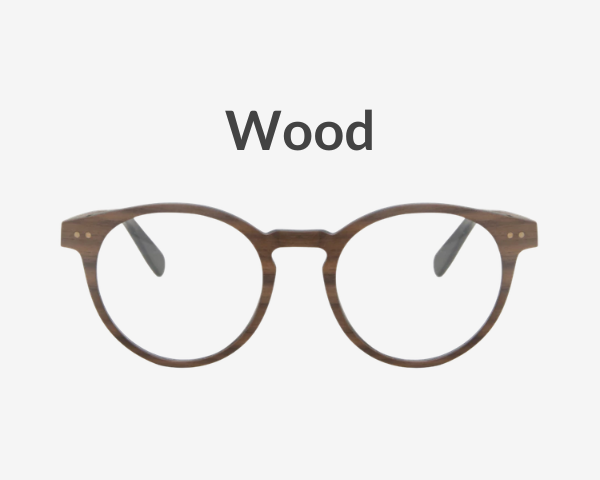
Wooden frames are handcrafted, typically from sustainably sourced species like bamboo, walnut, rosewood, or maple and every pair has a unique grain pattern that makes it one of a kind.
Popular styles: square, rectangle, round, pilot
Benefits:
- Every frame is unique — natural wood grain means no two pairs are identical
- Made from sustainable, natural materials
- Often suitable for sensitive skin, though reactions can occur depending on wood type and finishes used
- Distinctive natural appearance
- Pairs well with acetate tips and hinges for comfort and adjustability
Who it’s best for:
- Eco-conscious buyers
- People who want a genuinely individual look
- Those who appreciate handcrafted goods
Good to know: Wood is heavier than most other materials, and it doesn’t like prolonged moisture — avoid wearing in heavy rain or steam, and store away from humidity. Wood frames may be less practical for very strong prescriptions because of their weight and limited adjustability.
The right frame is the one that matches your lifestyle
There is no single best frame material. The right choice depends on your prescription, lifestyle, comfort preferences and personal style.
Once you know what you’re looking for, the choosing process becomes simpler.
If you’re unsure which frame material is right for you, our optical experts can help you compare the options and find the best fit for your needs.
Frequently asked questions
What is the lightest glasses frame material?
Titanium and TR90 are the lightest frame materials available. Both can produce frames under 10 grams, with premium titanium frames sometimes weighing as little as 2–3 grams. If weight is your main concern, either is an excellent choice.
Which frame material is best for sensitive skin or metal allergies?
Titanium and acetate are both fully hypoallergenic. Titanium is completely nickel-free, making it the safest choice if you’ve had reactions to metal frames in the past. TR90 and polycarbonate are also hypoallergenic. Avoid standard metal alloys if you have a known nickel sensitivity.
Is acetate better than plastic for glasses?
Acetate is generally considered higher quality than standard plastic. It’s made from plant-derived cellulose, offers richer and deeper colours, and tends to be more durable and flexible. Standard plastic is more affordable and perfectly suitable as a budget or backup pair — but if you’re investing in your main everyday glasses, acetate gives better results over time.
What frame material is best for a strong prescription?
Acetate and plastic are the best choice for high prescription lenses. Their thicker frame fronts conceal lens edges more effectively, so your glasses look balanced rather than overwhelmed by the lens. Very slim metal or rimless frames can draw attention to thick lens edges in strong prescriptions. Frame size is often just as important as frame material. Smaller eye sizes generally help reduce lens thickness and weight.
What is TR90, and is it worth choosing?
TR90 is a high-performance thermoplastic resin known for being extremely lightweight and flexible. It’s a particularly good choice if you find most frames uncomfortable by the end of the day — the flexibility and low weight reduce pressure on your nose and temples. It’s hypoallergenic and resistant to temperature changes, and it sits at a reasonable price point.
Are wooden glasses frames practical for everyday wear?
Wooden frames work well for everyday use in the right conditions, but they require more care than other materials. They’re heavier than most alternatives and shouldn’t be exposed to prolonged moisture. They suit lower prescriptions best and are a strong choice for wearers who prioritise individuality and sustainability over minimal weight.